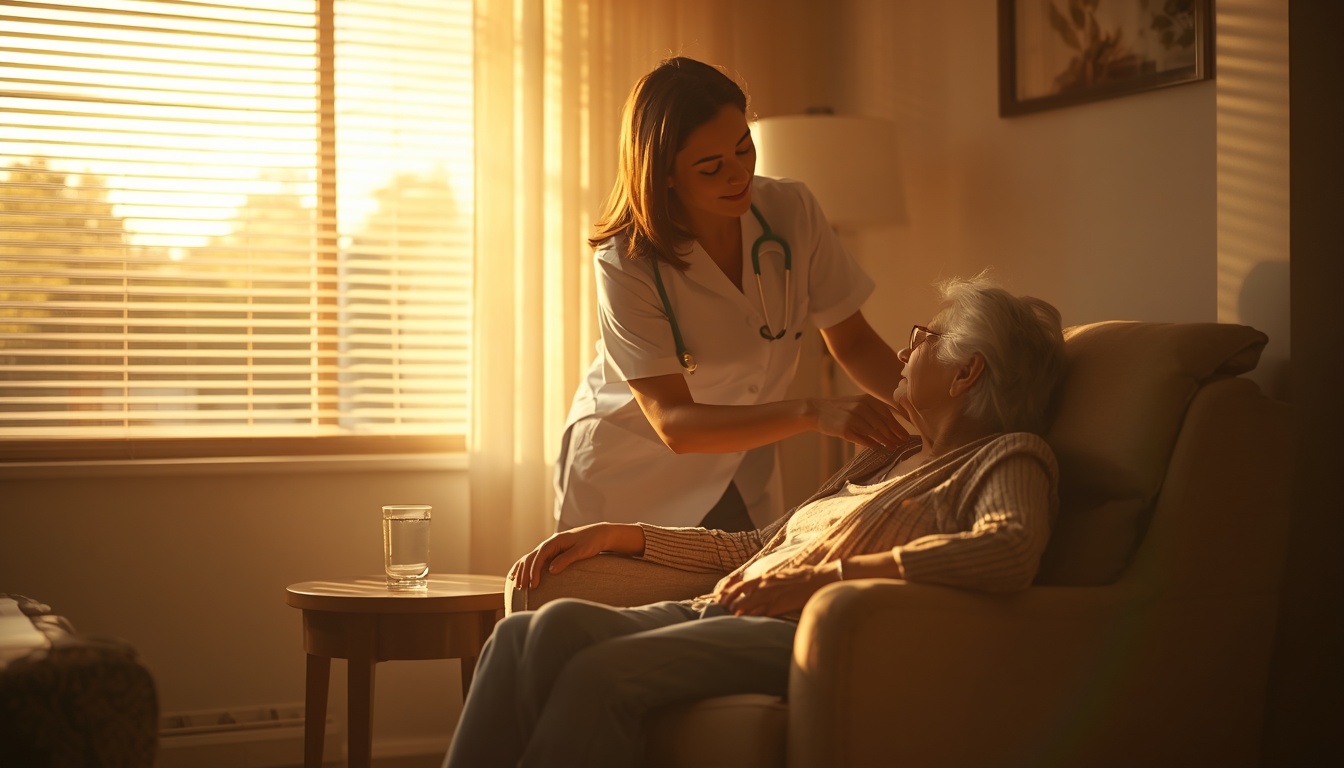
Southern California is in the middle of a dangerous heat wave.
As this article publishes, Southern California is under an extreme heat warning from the National Weather Service, with temperatures running from the mid-90s to past 110°F across most of the region, hottest away from the immediate coast and in the desert-adjacent cities of the Inland Empire. Elevated wildfire weather is accompanying the heat in several areas, which can add smoke and poor air quality on top of the temperature itself.
For most people, that means an uncomfortable week. For an elderly parent who lives alone, or a homebound family member who spends most of the day in one room, it can mean something far more serious. Aging changes how the body handles heat, and the people most at risk are often the ones least able to tell you that something is wrong.
Why does heat hit an older body so much harder?
Aging changes the body's basic cooling system. According to the California Department of Public Health, adults 65 and older are at elevated risk during periods of extreme heat because aging bodies lose some of their ability to regulate temperature, and they sweat less effectively than younger adults, which is the body's primary way of shedding heat.
CDPH also notes that certain medical conditions, including high blood pressure and diabetes, and certain medications, including beta-blockers, can make the effects of heat more severe for older adults. None of this means every senior is in danger every hot day. It means the margin for error is smaller, and the warning signs deserve more attention than they would in a younger, healthier adult.
Heat exhaustion and heatstroke are not the same emergency.
Heat illness moves along a spectrum, and catching it at the earlier stage is what keeps it from becoming the later one. Here is what each stage actually looks like, so you know which one you are dealing with.
Heat exhaustion
- Dizziness or lightheadedness
- Headache
- Muscle cramps
- Nausea
- Unusual fatigue or weakness
- Confusion
- Vomiting
Move to a cooler space and encourage fluids right away, if the person can safely swallow.
Heatstroke
- Core body temperature above 104°F
- Agitation or confusion
- Can progress to loss of consciousness
Call 911 immediately. Heatstroke is a medical emergency, not something to manage at home.
These are the warning signs recognized consistently across home care and clinical sources. They are not a diagnosis, and they are not a substitute for calling for help.
Heatstroke does not require going outside.
One of the most common, and most missed, patterns in homebound seniors is heatstroke that develops indoors. A person can sit inside their own home for hours, without heavy exertion and without ever stepping into the sun, and still progress to a medical emergency. The home simply gets hotter than the body can compensate for, especially without reliable air conditioning or enough fluids.
This is exactly what a daily phone check-in cannot catch. A voice can sound normal for longer than the body actually is normal, and a person growing confused from heat is often the last person able to recognize it and say something. Someone physically in the home notices what a phone call cannot carry: skin that has stopped sweating, a room that has gotten hotter than it should be, an answer that takes half a beat too long.
What a concierge nurse actually does during a heat event.
This is not a wellness check by phone. It is the same clinical vigilance WholeHealth Concierge brings to any in-home visit, focused on the specific risks a heat wave creates.
Hydration monitoring, not guesswork
A nurse in the home can see and track how much a client is actually drinking, not just ask about it, and catch early dehydration before it compounds the heat risk.
Medication awareness specific to the client
Beta-blockers and certain other blood pressure medications can blunt the body's response to heat. A nurse who already knows the full medication list can factor that in immediately, rather than piecing it together during an emergency.
Real-time activity and environment adjustments
Cooling the room, adjusting the day's activity, and timing fluids and rest differently than usual: small adjustments made in person, in the moment, based on how the client is actually doing that day.
A clear line to the physician, or to 911
If warning signs progress, a nurse in the home recognizes it early and escalates appropriately, whether that means a call to the treating physician or immediate emergency care.
Practical ways to keep a homebound loved one safer this week.
You do not need to hire anyone to act on this. These are the same basics a nurse checks for on a home visit, and most of them take minutes.
- Check on any homebound relative or neighbor at least once a day during a heat warning, in person if you can manage it.
- Keep the home cool, and run fans or air conditioning rather than relying on open windows once it is hotter outside than in.
- Offer water regularly through the day. Do not wait for thirst, which is a poor signal in older adults.
- Skip alcohol and very sugary or caffeinated drinks, which work against hydration.
- Dress in light, loose, breathable clothing, and avoid direct sun during peak afternoon hours.
- Close blinds or curtains on windows that get direct sun during the day.
- Avoid using the oven or stove during the hottest hours. It adds heat to the home.
- Keep a current medication list somewhere visible, in case a caregiver, neighbor, or paramedic needs it fast.
- Know the plan before you need it: the nearest urgent care or emergency room, and who to call first.
Age-related risk and medication factors: California Department of Public Health, Seniors and Heat-Related Illness. Warning signs and immediate response: clinical guidance consistent across home care sources including Visiting Angels and A Place for Mom. Diuretics and fluid loss: Hackensack Meridian Health, 23 July 2026, quoting Zeeshan Khan, MD, Chief of Geriatric Medicine at Hackensack Meridian Jersey Shore University Medical Center. Current conditions: the National Weather Service. This page is general education, not medical advice about any individual, and not a substitute for emergency care. If you suspect heatstroke, confusion, fainting, or worsening symptoms in anyone, call 911 immediately.
Serving families across the areas hit hardest by this heat wave.
WholeHealth Concierge is based in Chino Hills and serves families across the Inland Empire, Orange County, and Los Angeles. The Inland Empire's desert-adjacent cities are typically hit hardest during events like this one; Victorville, for example, was reported at 109°F during this heat wave. If you have a homebound parent or relative anywhere in this region, the risk described on this page applies to them right now.
A concierge nurse notices what a phone call cannot.
If you are worried about a parent or loved one during this heat wave, or any time conditions change quickly, a nurse-led assessment can tell you exactly what to watch for in their specific situation. No pressure, no obligation, just a clinical second opinion when you want one.
Extreme heat and homebound seniors, answered.
Why does extreme heat put older adults at greater risk than younger adults?
Aging bodies lose some of their ability to regulate temperature and sweat less effectively, so an older adult can overheat faster and recover more slowly than a younger person in the same conditions. The California Department of Public Health also notes that common conditions such as high blood pressure and diabetes, along with certain medications, can make the effects of heat more severe for older adults. That combination is why the same hot afternoon can be a discomfort for one person and a medical emergency for another.
What are the early warning signs of heat exhaustion in a senior?
Watch for dizziness, headache, muscle cramps, nausea, unusual fatigue or weakness, confusion, and vomiting. These are the recognized warning signs of heat exhaustion across home care and clinical sources, and they can develop gradually enough that the person experiencing them may not think to mention it. If you notice several of these signs together, move the person to a cooler space and encourage fluids right away, if they can safely swallow.
How is heatstroke different from heat exhaustion, and why does the difference matter?
Heatstroke is a medical emergency marked by a core body temperature above 104°F, agitation or confusion, and it can progress to loss of consciousness, while heat exhaustion is the earlier and less severe stage. The difference matters because heatstroke means calling 911 immediately, not home treatment. Heat exhaustion that is caught early and treated with cooling and fluids often does not progress that far, which is exactly why recognizing the early signs matters so much.
Can an older adult get heatstroke just sitting inside their own home?
Yes. A senior sitting inside a hot home for hours, without heavy exertion or any outdoor exposure, can still progress to heatstroke, because the danger is the body's rising internal temperature, not physical activity or direct sun. This is one of the most common and most missed patterns in homebound seniors, since nothing about the scene looks like an emergency until the confusion or hot, dry skin sets in.
Which medications make heat more dangerous for older adults?
The California Department of Public Health names beta-blockers specifically, alongside conditions like high blood pressure and diabetes, as factors that can make heat's effects more severe for older adults. Diuretics, often called water pills and commonly prescribed for high blood pressure, are also frequently flagged by geriatric clinicians because they cause the body to lose additional fluid, which works against what someone needs during a heat event. A caregiver who already knows the full medication list does not have to piece this together during an emergency.
What should I do immediately if I think a family member is having a heat emergency?
Move the person to a cooler space right away, and encourage fluids only if they can safely swallow. If you see confusion, fainting, a core temperature above 104°F, or symptoms that are getting worse instead of better, call 911 immediately. This page is general education, not a substitute for emergency medical care, and when in doubt during a heat event, the safer choice is always to make the call.
My relative sounds fine on the phone. How would I actually know if the heat is affecting them?
You often would not. A phone call cannot show you whether someone has stopped sweating, whether their skin has turned hot and dry, or whether their thinking has quietly slowed down, and a person growing confused from heat is not always able to recognize or report it themselves. That gap between how someone sounds on the phone and how they are actually doing is exactly what an in-person set of eyes is for during a heat event.
What does a concierge nurse actually do for a client during a heat wave?
A concierge nurse in the home during a heat event monitors hydration, watches for early warning signs, reviews the client's actual medication list for anything that raises heat risk, adjusts activity and the home environment in real time, and escalates to the physician or 911 if symptoms progress. It is the same clinical vigilance WholeHealth Concierge brings to any in-home visit, applied to the specific risks a heat wave creates.
Does wildfire smoke make the heat risk worse right now?
It can. Extreme heat in Southern California often arrives alongside elevated wildfire weather conditions, and poor air quality adds extra strain for anyone with respiratory or cardiac conditions on top of the heat itself. This page focuses on heat illness specifically, so treat air quality as a related risk worth watching, not a separate emergency to ignore.